
Quick Overview
- Snow drifts where wind slows down. A fence that slows the wind makes the snow drop out of the air right behind it.
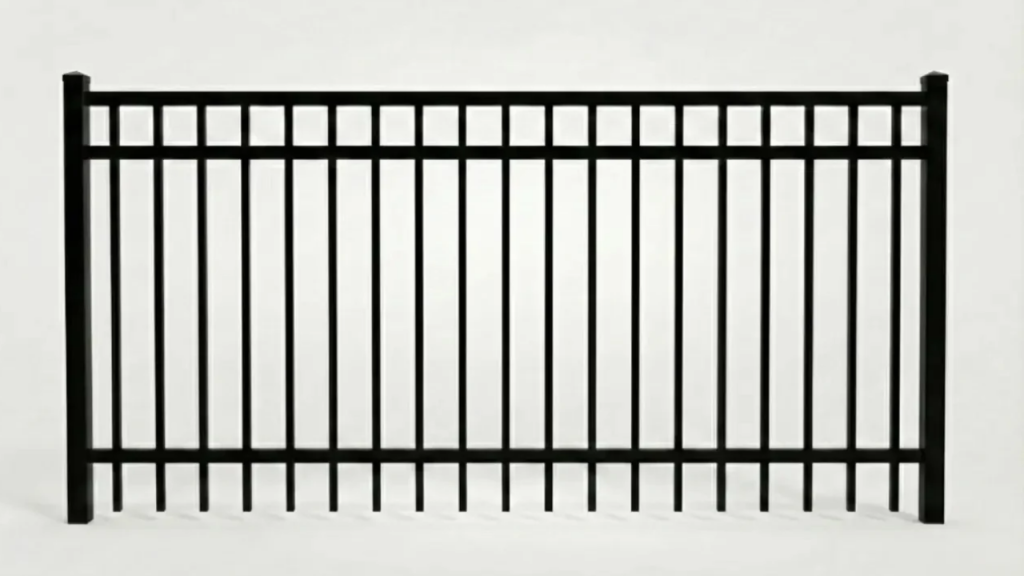
- A solid fence creates a tall, heavy drift close to the fence. A fence with small gaps spreads a shallower drift over a wider area. Very open fences, such as chain link and ornamental aluminum, barely drift at all.
- Height matters more than most people expect. A taller fence does not just hold a little more snow. It holds a lot more.
- In Ottawa the winter wind comes mostly from the west and northwest, so fences running north to south collect the biggest drifts on their east side.
- Drifts are more than a nuisance. They push on panels and posts, block gates and latches, and leave meltwater around the post base in spring.
- You cannot stop a fence from catching snow with a taller, more solid fence. The goal is to choose a style and layout that keep the drift away from the places that matter.
How Blowing Snow Behaves
Wind carries snow, but only as long as it keeps moving. Snow bounces along the ground in the lowest few centimetres, and lighter crystals get lifted higher into the air. The faster the wind, the more snow it can carry, and the carrying power rises very quickly as speed increases.
When wind hits a fence, it has to go over, around, or through it. On the far side of the fence, the air slows down. Slower air cannot hold as much snow, so the snow drops out and piles up. That pile is the drift.
Drifts do not grow forever. As snow builds up behind the fence, the drift takes on a smooth, sloping shape, and eventually the wind can slide over the top of the fence and the drift together. At that point the fence stops catching new snow.
Why One Fence Drifts and the Next One Does Not
The same storm can leave a deep drift behind one fence and almost nothing behind another. Four things explain most of the difference, and experienced fence contractors Ottawa homeowners hire weigh each of them before any post goes in.
1. How solid the fence is
This is the biggest factor. Fence designers often talk about porosity, which simply means how much of the fence is open space.
Solid privacy fences push the wind up and over. The air behind them swirls and slows sharply, so the snow drops close to the fence. The drift is deep and heavy, and it sits right against the boards.
Fences with gaps (spaced boards, picket styles, and shadowbox or alternating-board designs) let some wind through. The air slows more gently, so the snow is spread over a longer stretch of yard. The drift is shallower at any one point, but there may be more snow overall. Fences with about half their surface open tend to build the longest drifts.
Very open fences such as chain link and ornamental aluminum let most of the wind through. They slow the air very little, so most blowing snow passes straight through, and the drift stays small.
2. How tall the fence is
A taller fence slows the wind over a larger area. The amount of snow a fence can store grows faster than its height, so a fence twice as tall can hold several times as much snow. That is one reason a front yard fence, which Ottawa limits to 1 metre, rarely causes drift trouble, while a 7-foot backyard privacy fence can.
3. The gap at the bottom
Most of the snow moving near the ground travels in the lowest few inches. If a fence sits flat on the ground, or the gap is buried in the first snowfall, it blocks all of that snow and a drift forms at the base. A small gap under the fence lets air speed up as it passes through, which sweeps snow away from the posts and bottom rails.
A gap is not always allowed or wise, though. Pool fences have strict limits on openings, and small dogs can squeeze through, so the right gap depends on what the fence is for.
4. Which way the boards run
Fences with vertical boards filter the wind evenly. Horizontal slat styles interact with the wind differently and tend to leave somewhat larger drifts. The difference is modest, and style usually matters more than orientation, but it is one reason two fences with the same gaps can drift differently.
What Makes Ottawa Different
Wind direction. Winter wind in Ottawa blows mainly from the west and northwest. A fence that runs north to south faces that wind head-on and builds the biggest drift on its east side. A fence that runs east to west is hit at an angle and tends to drift less, although snow can pile up near the ends and corners.
Open ground upwind. The more open land there is upwind of your fence, the more snow the wind arrives with. Lots on the edge of a field, a park, or a utility corridor catch much more snow than lots surrounded by houses and trees. A fencing installation Ottawa team can walk your lot and tell you where drifts are likely to form.
Gaps between houses. In built-up areas, wind squeezes between homes and speeds up. It can scour one spot bare and dump a heavy drift just beyond it. Fences near side yards and corners often behave in ways that are hard to predict.
Hedges. A young hedge lets wind through. A mature evergreen hedge can be nearly solid in winter and drift like a privacy fence.
Height limits. Ottawa’s Fence By-law caps front yard fences at 1 metre and side and rear yard fences at 2.13 metres. A fence that suddenly drops in height at a corner can also change how the wind behaves there and dump snow on the sidewalk or driveway.
Problems That Drifts Cause
Pressure on panels and posts. Packed snow against a solid fence acts like a wall of weight. Over a winter it bows boards, pushes rails off their brackets, and leans posts. On a slope, snow creeping downhill adds even more force.
Gates and latches. A drift on the swing side of a gate can freeze it shut. Drifts also bury latches and hardware.
Pool enclosures. Ottawa’s Pool Enclosure By-law requires a fence at least 1.5 metres high with a self-latching gate and a latch at least 1.35 metres up on the pool side. A deep drift against a solid pool fence can cover the latch, and a hard-packed drift can also give a child a ramp to the top of the fence. Open styles of pool fence are much less likely to build a drift deep enough to cause this.
Meltwater and frost heave. In spring, a big drift melts slowly at the base of the fence. Water soaks into Ottawa’s clay soil around the posts, then refreezes on cold nights. This is a common set-up for frost heave, which lifts posts and pulls a fence out of line.
How Drifts Affect Each Fence Type
Wood. A solid wood fence takes the heaviest pressure and holds the deepest drift. If the boards touch the ground, moisture wicks up into them and they warp, cup, and split over time. Wood fences do best with a small gap at the bottom and steel posts that will not rot from the meltwater.
Vinyl. Vinyl does not absorb water, so melt does not harm it. The risk is pressure and impact. Cold makes vinyl stiffer, and a heavy, packed drift on solid panels can bow them or push them out of their channels.
Composite. Composite is dense and resists moisture, so it handles snow pressure well. It is heavy, so the posts need to stay solid. If meltwater lifts a post, the weight of the panels can pull the line out of level.
Chain link. Chain link lets snow pass through, so it rarely builds a drift. The exception is freezing rain or very wet snow, which can freeze across the mesh and briefly make it behave like a solid wall.
Ornamental aluminum. The wide gaps stop most drifting, and the metal does not rust or soak up water. It is the style that drifts the least.
Ways to Reduce Drift Trouble
Pick the right style for the spot. If you need privacy, a design with small gaps, such as a shadowbox style, spreads snow out instead of piling it against the boards. If a driveway, side path, or gate needs to stay clear, an open style such as chain link or ornamental aluminum will drift far less.
Keep a small gap at the bottom. A few inches of clearance helps wind sweep the base. Check the limits first for pool fences and pet containment.
Think about where drifts will land. The drift forms on the east side of a north-south fence. If that side holds a gate, a patio, a pool latch, or a path, adjust the layout before the fence goes up.
Place gates carefully. Gates at the corners of a property or beside the house are the most likely to get buried. Put the gate where the wind can reach it, and leave a gap underneath for swing clearance.
Do not attach a tall, solid fence to the corner of the house. A solid fence meeting a wall can funnel wind and snow into the corner and build a heavy drift against the foundation or basement window.
Build the foundation for it. A drift that melts at the base of the fence is a recipe for frost heave. Posts need to be set below the frost line, which in Ottawa means a depth of about 3.5 to 4 feet. At Commence Fence, wood fences are built on PostMaster steel posts driven 4 to 5 feet into the ground, and driving is the default over concrete because a slim steel post gives frost very little to grip. Ornamental fences are different, because their posts are set in traditional concrete footings that reach below the frost line. Whichever fence you choose, ask how deep the posts will go and how they are set.
Manage the snow yourself. Shovel and blow snow away from the fence, and keep a clear space between any pile and the boards. A fence is not a place to stack snow.
Common Myths
“A taller, solid fence will keep snow out of my yard.” It does the opposite. A tall solid fence slows the wind behind it and drops snow right there. A taller fence only makes the drift bigger.
“Closing the gap at the bottom will stop snow from getting under the fence.” It will, but then the snow piles up against the fence instead. That buries the bottom rail, adds pressure, and soaks the lowest boards.
“Open fences do not get drifts.” Most of the time that is true, but a coating of freezing rain can fill the openings and turn the fence into a solid sheet for a while.
“Posts four feet deep never heave.” Depth matters, but so do the post type, the footing, and the water that collects around the base. A badly drained spot can lift a post that is set at the proper depth.
FAQs
Why does snow pile up on one side of my fence? The fence slows the wind, and slower air cannot carry as much snow. The snow drops out on the downwind side, which in Ottawa is usually the east side of a north-south fence.
Which type of fence gets the least snow drift? Very open fences, such as chain link and ornamental aluminum, let wind pass through, so they drift the least.
Does a taller fence make drifts worse? Yes. Snow storage grows faster than the fence height, so a taller solid fence builds a much larger drift.
Should I leave a gap under my fence? A few inches of clearance usually helps keep the base clear of snow. Pool fences and fences that must contain small pets have limits, so check before leaving a gap.
Can snow drifts damage my fence? Yes. Heavy drifts can bow panels, push rails off posts, and lean posts. Meltwater at the base can also contribute to frost heave.
Can a snow drift cover my pool gate latch? It can, especially on a solid or tightly spaced pool fence. An open fence design makes this far less likely.
Do hedges cause snow drifts too? Yes. A thick mature hedge can act like a solid fence and build a deep drift behind it.
Will my fence still lean if the posts are deep enough? A fence set below the frost line should stay straight. If a drift keeps melting at the base, good drainage and a post set at the right depth give the best chance of staying put.
Summary
Snow drifts along a fence because the fence slows the wind, and slower wind drops its snow. A solid fence builds a deep, heavy drift close to the boards. A fence with gaps spreads a lighter drift over more of the yard. Very open fences barely drift at all. Height, the gap at the bottom, the direction the fence runs, and the open ground upwind all play a part. Choose a style that suits the spot, keep gates and latches out of the drift zone, keep a clear space around the fence, and set the posts deep enough to handle the meltwater. A good conversation with your installer before the fence goes up is far easier than clearing a drift every January.
Note: This blog post is informational. Its purpose is to add useful content about fencing and fence types to the website and to link readers to our relevant service pages through keywords. This builds topical authority in the fencing niche and helps the site rank for more keywords over time.