
Quick Overview
- The posts decide how long a fence lasts. Panels can be replaced one section at a time, but when a post fails, the whole line goes with it.
- Wood posts usually fail by rotting at the soil line, where moisture and air meet. This happens even when the wood is pressure treated.
- Steel posts do not rot, do not attract insects, and do not twist or warp, which is why they keep a fence straight for much longer.
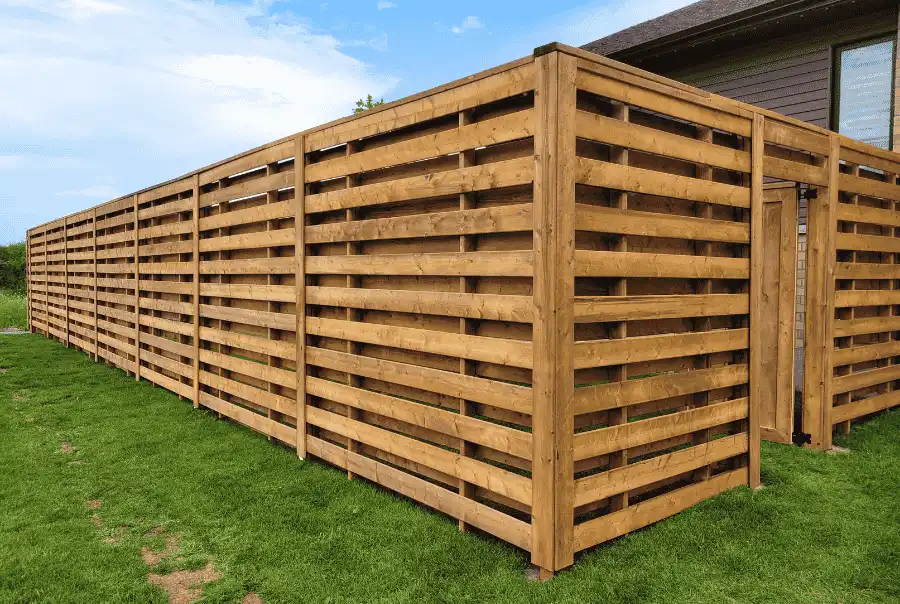
- Steel posts can sit behind a wood fence completely out of sight, so you keep the look of cedar or pine.
- In Ottawa, installation method matters as much as the material. Driving a steel post into undisturbed ground gives frozen soil much less to grip than a wide concrete footing does.
- The extra cost of steel posts is small compared with the cost of tearing out and rebuilding a section of fence when wood posts fail.
Why the Post Is the Real Foundation
When people shop for a fence, they look at boards, pickets, and panels. Those are the parts you see. The part that decides whether the fence is still standing in fifteen years is the post, which is why a good fence company Ottawa homeowners can trust will talk about the foundation before it talks about the boards.
Every post carries the weight of the fence, resists wind pushing against it, and fights the movement of the soil around it. If a post rots, leans, or lifts out of the ground, the rails and boards attached to it move out of line, no matter how good they are. That is why a fence with excellent panels can still look worn out long before its time.
How Wood Posts Fail
Wood is a natural material that absorbs water. Even pressure-treated wood slowly takes on moisture when it is in the ground, and that creates a few common problems.
Rot at the soil line. Many people assume wood rots deep underground. In practice, decay is worst right at ground level, where the post gets moisture from the soil and oxygen from the air at the same time. The post often looks fine until a windy day, when it snaps cleanly at the base and the fence leans over.
Moisture and drainage trouble. A post that sits in wet clay or in a pocket of concrete that holds water will decay faster than one in well-drained soil. Moisture at the post base is the main long-term threat to a wood fence that was installed properly.
Insects. Aging wood in the ground can attract carpenter ants and other insects. A post that looks fine outside may be hollowed out inside.
Twisting and leaning. Wood swells and shrinks as it takes on and loses water, so posts can twist over time and pull the rails out of line.
When one post goes, repairing it is rarely quick. The old post and its footing have to be removed, a new post has to be set, and the section around it often has to be rebuilt. That is why a low price per post can turn into a much higher price over the life of the fence.
How Steel Posts Hold Up
Steel does not absorb water, so it cannot rot, and insects have nothing to eat. A galvanized, coated steel post also resists rust, and it does not bend, swell, or twist as the seasons change. A fence built on steel posts stays straight because its frame is not moving.
At Commence Fence, the standard for wood fencing is a PostMaster steel post, driven 4 to 5 feet into the ground. Steel posts also go under cedar fences, not wood posts, so the cedar above ground sits on a frame that will not rot out from underneath it.
Does a Steel Post Mean an Industrial Look?
No. This is one of the most common worries, and it comes from older fences with round pipe posts and bolted brackets. Modern steel posts for wood fences are designed to be hidden. The rails attach directly to the steel, and wood boards cover it, so from the street and from the yard, the fence looks like a wood fence. You keep the warmth of natural wood, and the strength is out of sight.
Why Frost Matters So Much in Ottawa
Ottawa winters are hard on anything in the ground. Water in the soil freezes, expands, and pushes upward, and much of the city sits on clay that holds a lot of water. When a post is not set deep enough, the frozen ground can grip it and lift it, a little more each winter. Fences affected by frost heave lean, rise unevenly, and develop gaps under the panels.
Frost heave is a result of installation depth, not just the weather. Posts need to be set below the frost line, which in Ottawa means a depth of about 3.5 to 4 feet. A fence that was set shallower than that can heave no matter what the post is made of.
The way a post is set also changes how much frost can grip it. A wide concrete footing has a large, rough surface, which gives freezing soil more to hold onto. A slim steel post driven into undisturbed ground has far less surface area for the frost to grab, and the soil packs tightly around it. That is why driving posts is the default approach at Commence Fence, with concrete used only when driving is not possible. Driving also means there is no concrete to cure and no pile of soil to haul away. When you speak with fencing contractors Ottawa homeowners are considering, ask each one whether they drive their posts or set them in concrete.
Wood vs. Steel at a Glance
| Wood posts | Steel posts | |
| Rot and moisture | Vulnerable at the soil line | Not affected |
| Insects | Can be attacked as it ages | Not affected |
| Straightness over time | Can twist, lean, and warp | Stays rigid |
| Frost heave | Depends on depth and footing | Driven posts give frost little to grip |
| Appearance | Natural wood | Hidden behind wood boards |
| Failure repair | Often a partial rebuild | Rarely needed |
| Upfront cost | Lower | Slightly higher |
Does Concrete Protect a Wood Post?
It is a common belief that wrapping a wood post in concrete protects it from the soil. In practice, the opposite can happen. As wood dries and shrinks, a small gap can open between the post and the concrete. Water runs down the gap and pools at the bottom, which keeps the post wet right where rot starts. Setting a post in concrete does not stop decay, and a wide concrete footing can give frost more to grip.
Setting a wood post deeper helps with frost heave, but it does not stop rot. Only a material that does not absorb water solves both problems at once.
Looking at Cost Over the Life of the Fence
Wood posts cost less on day one. The difference per post is modest, and across a typical backyard fence the extra cost of steel is a small part of the project.
The cost picture changes when a wood post fails. Replacing it means taking out the old post and its footing, setting a new one, and repairing or rebuilding the fence section around it, and the new work will not match the weathered fence beside it. Over the life of the fence, wood posts often mean at least one costly round of repairs. Steel posts are far less likely to need any.
What to Ask Before You Hire
If you are getting quotes, the foundation is the part worth asking about, because it is the part you cannot see afterward:
- What are the posts made of, and are they steel or wood?
- How are the posts installed, driven or set in concrete?
- How deep will they go?
- Is the cedar or pine installed on steel posts or on wood posts?
- What does the warranty cover for posts, and for how long?
A trustworthy installer should be able to answer all five clearly and in writing. Vague answers about depth or materials are worth noting.
Which Is the Better Choice?
For most fences in Ottawa, steel posts are the better foundation. They cost slightly more at the start and save money, time, and hassle later. They keep the fence straight, they do not rot, and they leave the look of the fence completely unchanged.
Wood posts can still make sense for a short-term fence or a very tight budget, but they carry a real chance of early failure in Ottawa’s wet, freezing soil, and that risk grows every winter.
When you talk to installers, treat the post as the first question and the panel as the second. The boards are the part you will look at every day, but the post is the part that decides how long they stay up.
FAQs
Do wood fence posts rot? Yes. Even pressure-treated wood absorbs moisture in the ground, and the soil line is where rot is usually worst. Posts often break off at ground level in wind.
Are steel fence posts better than wood? For most Ottawa fences, yes. Steel does not rot, attract insects, or warp, so it keeps the fence straight for much longer.
Can I have a wood fence on steel posts? Yes. The steel posts are hidden behind the wood boards, so the fence looks like an ordinary wood fence.
Do steel fence posts need concrete? Not usually. Driven steel posts go straight into undisturbed ground. Concrete is used only when driving is not possible.
How deep should fence posts be in Ottawa? Posts need to be set below the frost line, which is about 3.5 to 4 feet in Ottawa. Setting them shallower risks frost heave.
Does a deeper hole stop a wood post from rotting? No. Depth helps with frost heave, but rot happens at the soil line regardless of how deep the post is.
Why is my fence leaning even though the boards look fine? The posts are usually the cause. Rot at the base or frost heave can leave the fence leaning even when the boards are in good shape.
Summary
The panels get the attention, but the posts decide how long a fence lasts. Wood posts rot at the soil line, can twist and lean, and often become the first thing to fail. Steel posts avoid those problems, stay straight, and can be hidden behind wood boards so the fence looks the way you want. In Ottawa, depth and installation method matter as much as the material, so ask how the posts will be set before you choose a contractor.
Note: This blog post is informational. Its purpose is to add useful content about fencing and fence types to the website and to link readers to our relevant service pages through keywords. This builds topical authority in the fencing niche and helps the site rank for more keywords over time.